msbte lab manual k scheme:The MSBTE K Scheme is the latest syllabus structure followed by diploma colleges in Maharashtra. It emphasizes practical, hands‑on learning. Lab manuals for each subject require properly written experiments, observations, results, diagrams, and conclusions. Having accurate MSBTE Lab Manual Answers PDF K Scheme helps students understand the expectations, avoid mistakes, and perform better during lab assessments.
Maharashtra State Board of Technical Education (MSBTE) has introduced important updates under the Manual K Scheme 2026 for Diploma students. If you are pursuing Polytechnic or Diploma in Engineering, this guide will help you understand everything about the new scheme, exam pattern, and practical format.
What is MSBTE K Scheme?
The K Scheme is the latest curriculum structure introduced by MSBTE for Diploma programs. It focuses on:
- Outcome Based Education (OBE)
- Skill-based learning
- Continuous Internal Assessment (CIA)
- Industry-oriented syllabus
Unlike older patterns, the K Scheme emphasizes practical exposure, project work, and real-world applications instead of only theoretical knowledge.
What Does MSBTE Manual K Scheme Include?
The MSBTE Manual under K Scheme contains detailed guidelines for practical subjects and evaluation systems.
1️⃣ Subject-Wise Practical Structure
Each branch includes:
- List of experiments
- Journal format
- Viva questions
- Marking scheme
- Observation & conclusion format
2️⃣ Internal Assessment System
Internal marks are distributed based on:
- Unit tests
- Assignments
- Attendance
- Practical performance
- Journal submission
3️⃣ Project & Mini Project Guidelines
The manual explains:
- Project selection criteria
- Documentation format
- Report structure
- Viva process
- Evaluation rubric
Students must strictly follow the format provided in the manual to secure maximum internal and practical marks.
Branch-Wise MSBTE K Scheme Practical Overview
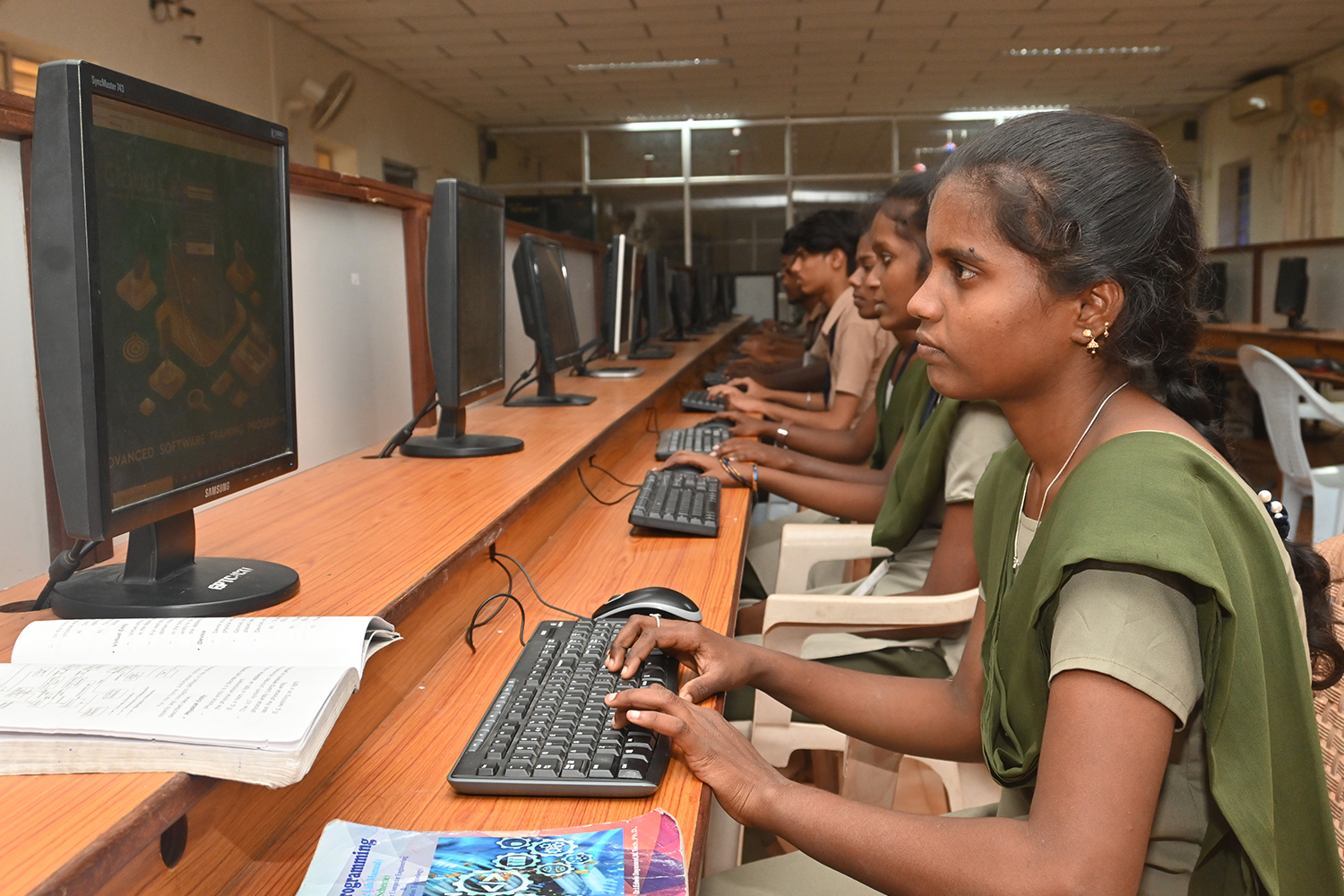
🔹 Computer Engineering


4
- Programming practical record format
- Database & networking journal pattern
- Mini project documentation guidelines
- Lab performance evaluation system
Computer branch students must maintain proper coding outputs and screenshots in journals.
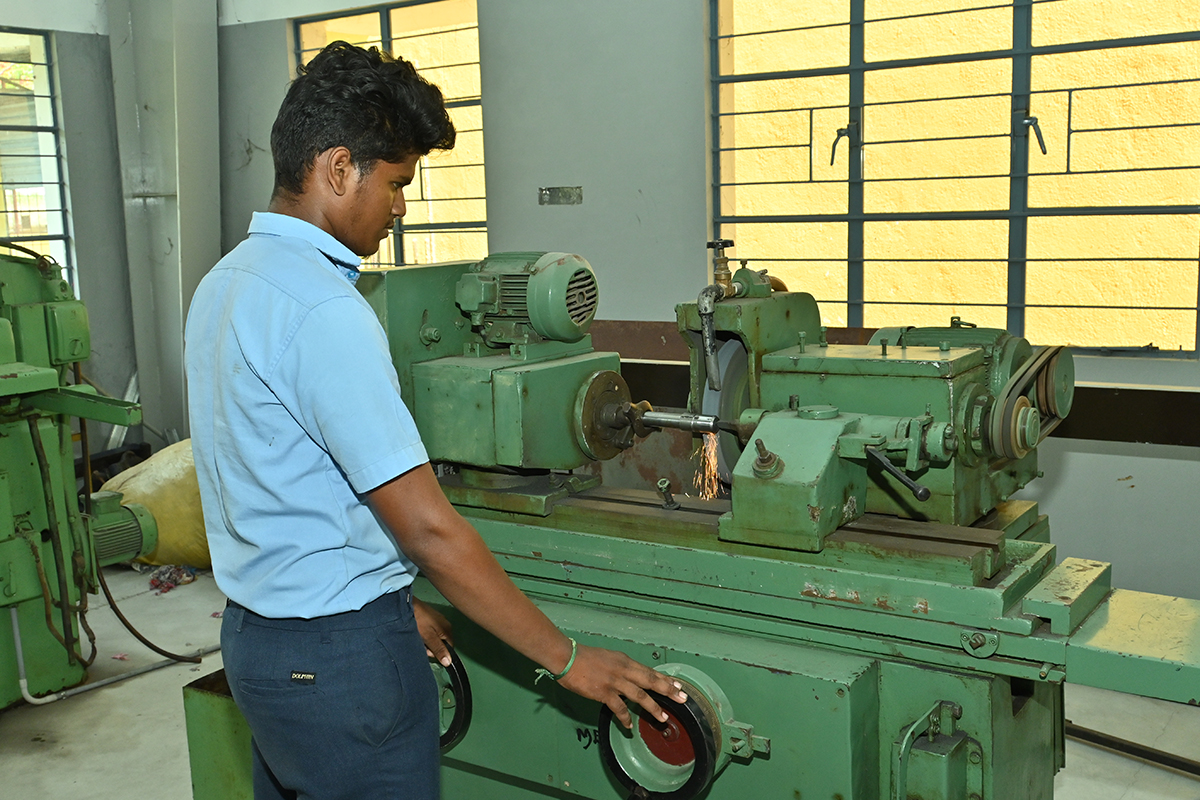
Mechanical Engineering

4
- Workshop practical documentation
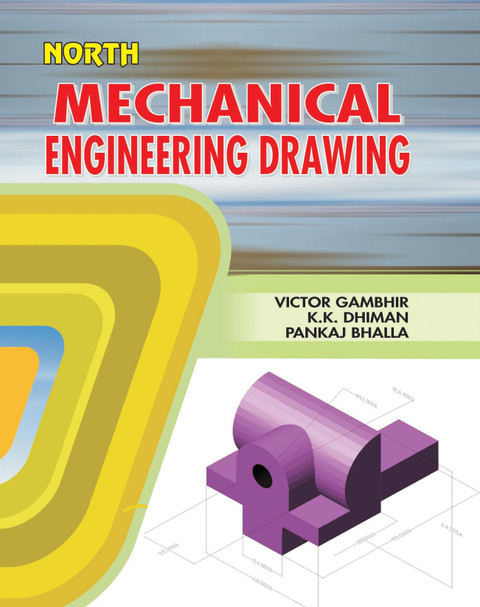
- Machine drawing format
- Industrial training report structure
- Measurement & observation recording
Mechanical students must carefully write machine specifications and safety precautions.
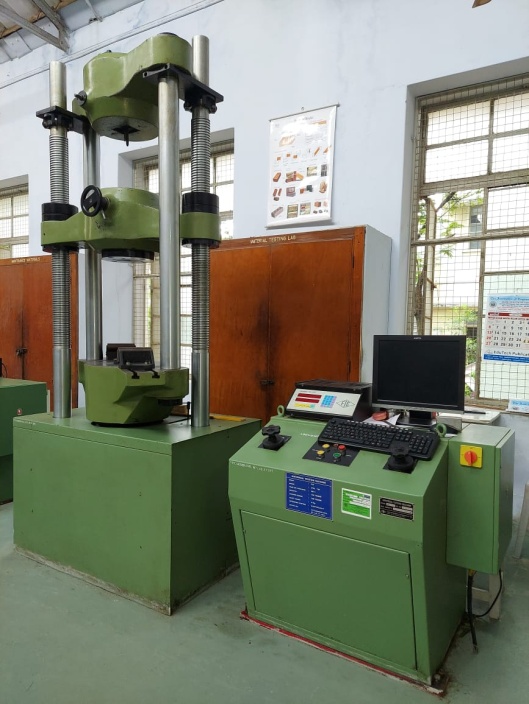
Civil Engineering


4
- Survey practical record format
- Site visit report writing
- Estimation & costing journal
- Practical observation method
Accurate measurement and proper diagram presentation are essential.
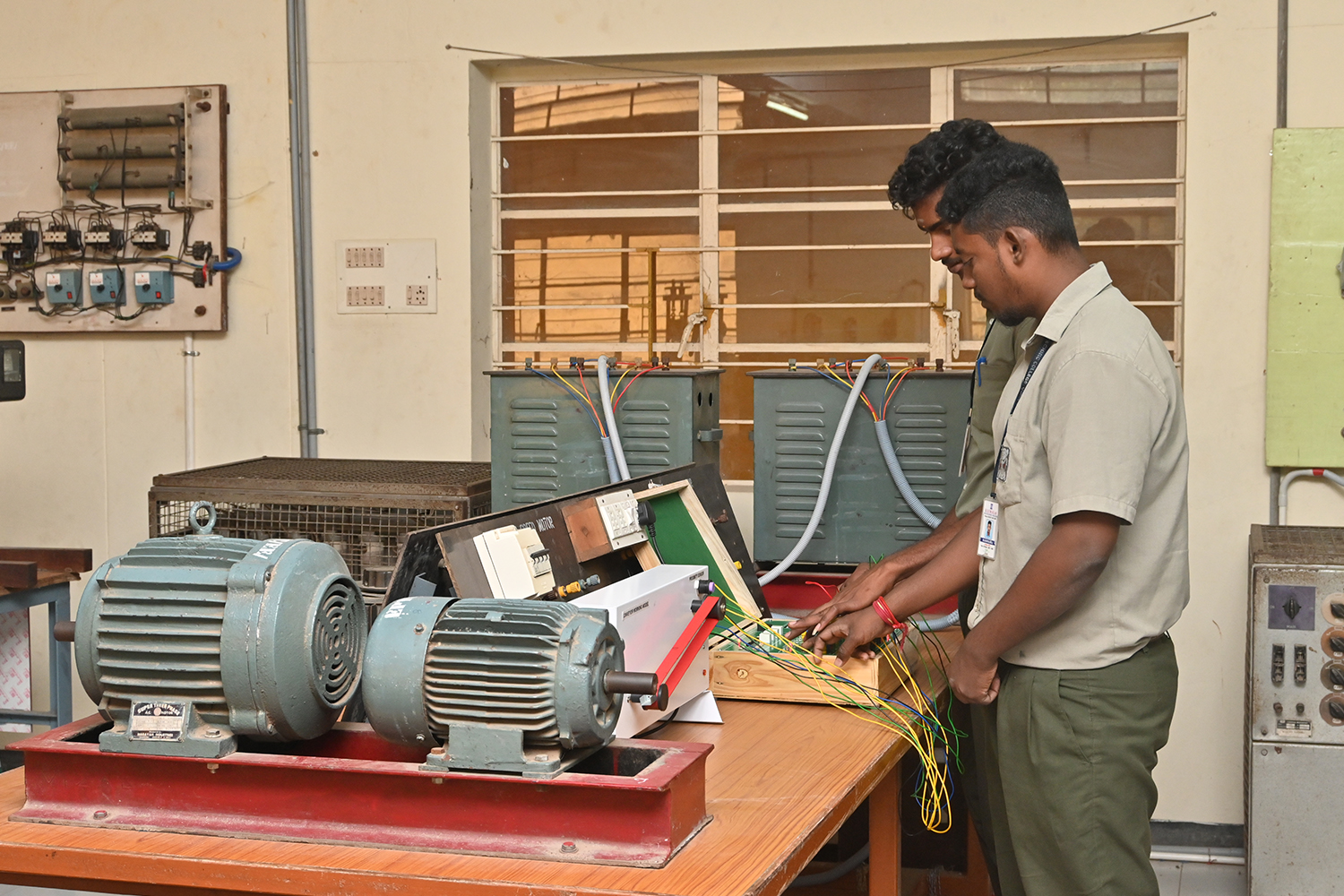
Electrical Engineering

4
- Wiring experiment documentation
- Electrical machine lab format
- Circuit diagram presentation
- Safety guidelines
Electrical branch students must draw neat circuit diagrams and explain working principles during viva.
MSBTE K Scheme 2026 New Exam Pattern
Under the K Scheme, the evaluation structure is more practical-focused.
| Component | Marks Distribution |
|---|---|
| Theory Examination | 70 Marks |
| Internal Assessment | 30 Marks |
| Practical | Subject Based |
| Project Work | Separate Evaluation |
Major Changes in K Scheme:
✔ Continuous internal evaluation
✔ Compulsory journal submission
✔ Concept-based viva questions
✔ Attendance requirement (minimum 75%)
✔ Increased importance of practical performance
Students who ignore practical work may lose significant marks.
How to Download MSBTE Manual K Scheme PDF?
Follow these steps:
- Visit the official MSBTE website
- Click on Curriculum or K Scheme section
- Select your branch
- Choose semester
- Download the Manual PDF
Always download the manual from the official source to avoid outdated or incorrect formats.
Frequently Asked Questions (FAQs)
Q1. Who is eligible under K Scheme?
All new Diploma batches and updated curriculum students under MSBTE.
Q2. Is the manual different for each semester?
Yes, the manual varies branch-wise and semester-wise.
Q3. How are internal marks calculated?
Based on unit tests, assignments, attendance, practical performance, and journal submission.